Facebook
 X
X
 Pinterest
 Copy Link

There’s a lot of uncertainty right now, and that’s fueling some pretty dramatic headlines. If you’re thinking about buying a home, it can leave you feeling unsure about your next move.
A recent study by CNBC asked homebuyers what concerns them most, and three key themes came up repeatedly:
Mortgage rates
The number of homes for sale
Home prices
But much of what you’re hearing about these topics is driven more by misconceptions than facts. Let’s break it down and separate reality from the noise.
Misconception #1: “I’ll Wait Because Mortgage Rates Will Drop Dramatically”
There’s a common belief circulating that mortgage rates are about to fall significantly, making it smarter to hold off on buying.
But is that actually likely?
While mortgage rates have eased slightly in recent weeks, forecasts don’t point to a major drop anytime soon. The most probable outlook is that rates will hover in the low 6% range throughout the year.
That’s not a significant shift from where they are today.
Of course, this could change depending on inflation and the broader economy. But based on current data, waiting for a big drop may not pay off the way some expect. As U.S. News & World Report notes:
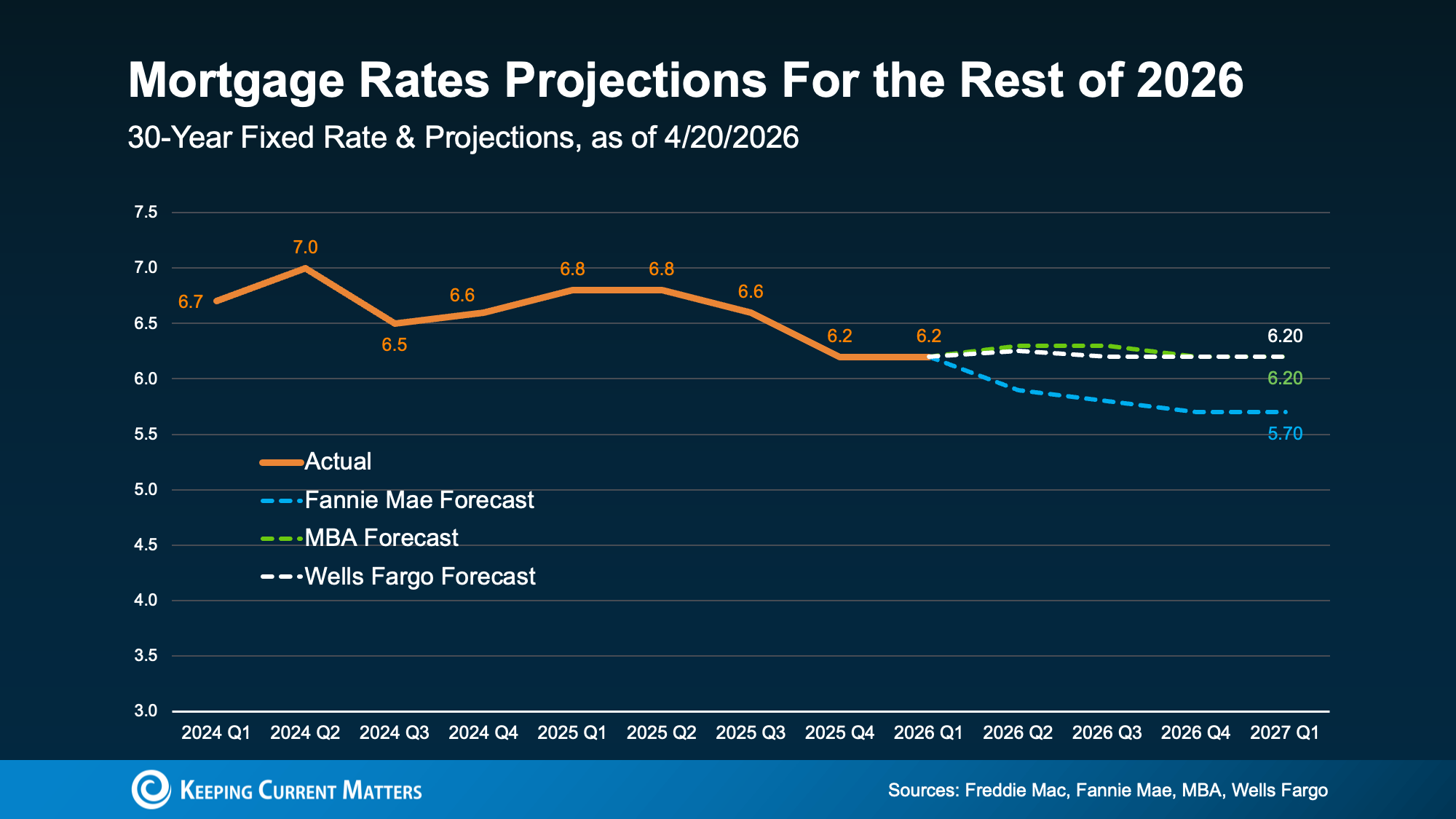
“Mortgage rates aren’t expected to change much over the next several quarters . . .”
It’s also worth noting that affordability has already improved compared to last year. So even if rates remain relatively stable, conditions are still better than they were.
Misconception #2: “There Are Too Many Homes for Sale Right Now”
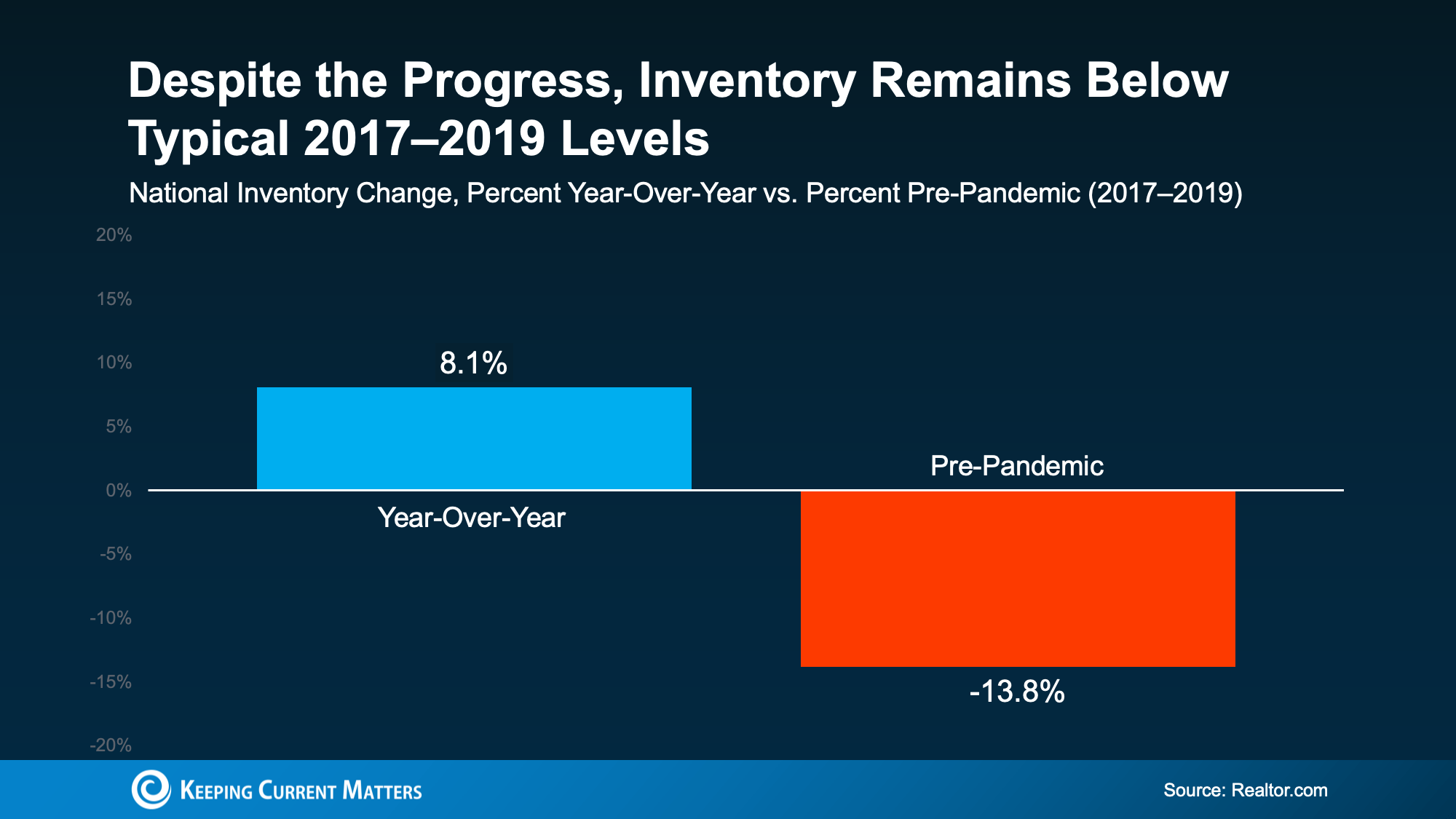
You may have heard that inventory is rising—and nationally, that’s true. The number of homes for sale is up about 8% compared to this time last year. But that’s actually a positive development, giving buyers more options and flexibility.
The issue is how headlines frame the story. They highlight that inventory is at its highest level since 2019 or emphasize new construction, making it seem like supply is surging out of control.
But the bigger picture tells a different story.
Data from Realtor.com shows that while inventory has increased year over year, it’s still nearly 14% lower than typical pre-pandemic levels (2017–2019).
While conditions vary by location, only a small number of states currently have more inventory than they did before the pandemic. That’s a major reason why today’s market doesn’t have the oversupply needed to trigger a crash like in 2008.
Misconception #3: “Home Prices Are About To Crash”
You’ve likely seen claims that home prices are about to drop sharply. This confusion often comes from certain markets experiencing slight price declines, which are then exaggerated into broader predictions of a crash.
But that’s not what the data shows.
In most areas, home prices are still increasing. And here’s why:
Many homeowners are holding onto their properties because they secured historically low mortgage rates in recent years, limiting new listings.
Inventory remains below pre-pandemic levels, which helps support pricing.
Even in markets with more listings, some sellers are choosing to withdraw their homes rather than reduce prices significantly.
These factors are why a widespread price crash isn’t expected.
Even in areas where prices are softening slightly, the declines are modest and don’t erase the substantial gains homeowners have seen over the past five years.
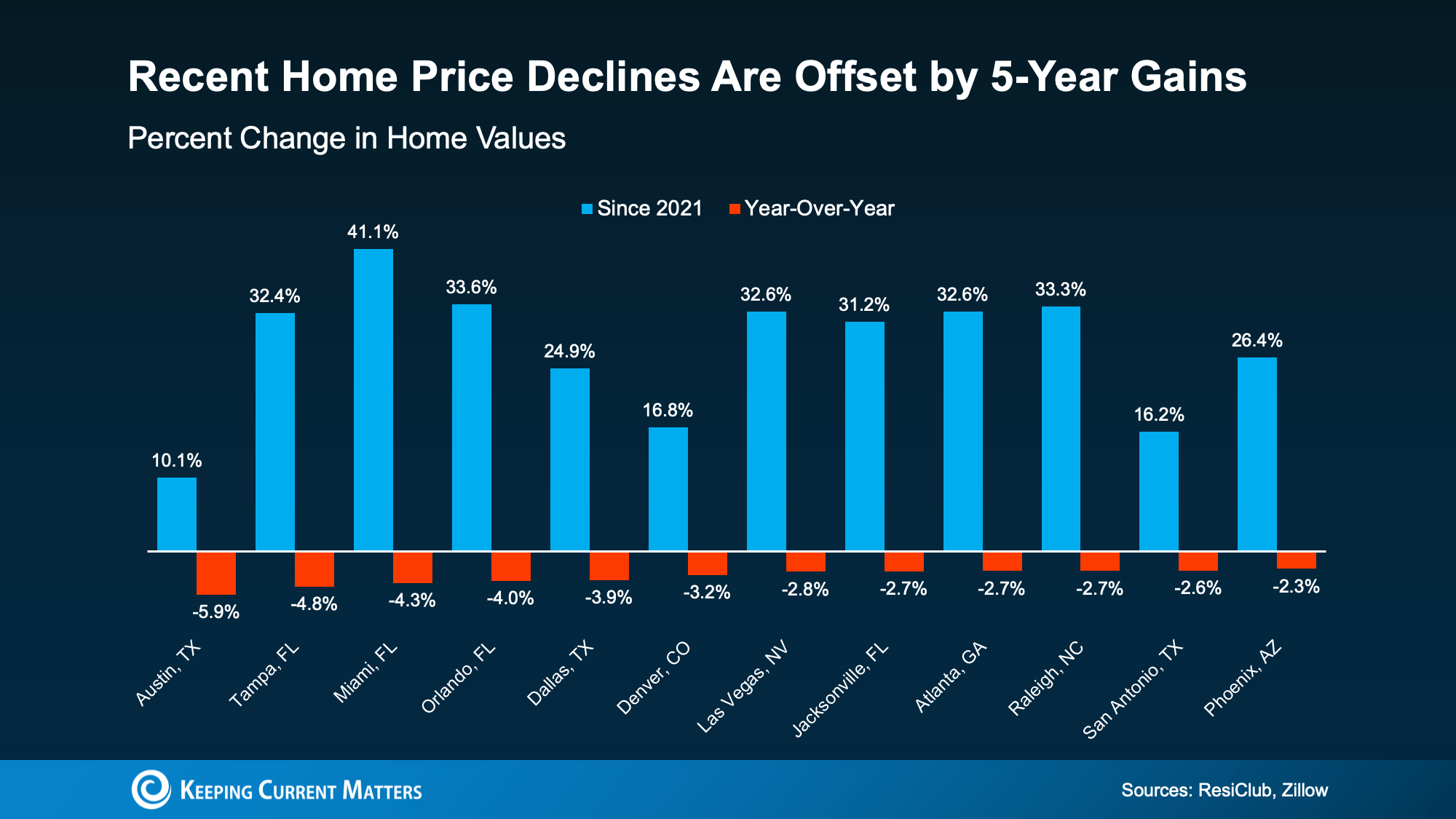
That’s not a crash—it’s simply the market normalizing after a period of rapid growth.
Bottom Line
Online headlines can often make the situation seem more alarming than it really is. For a clear, data-driven understanding of today’s housing market, it’s best to work with a real estate professional.
Connect with a local agent who can help you separate fact from fiction and guide you with accurate insights.